We see here how Mr. Tempel goes on with "his findings" about the central area:
Section 1:
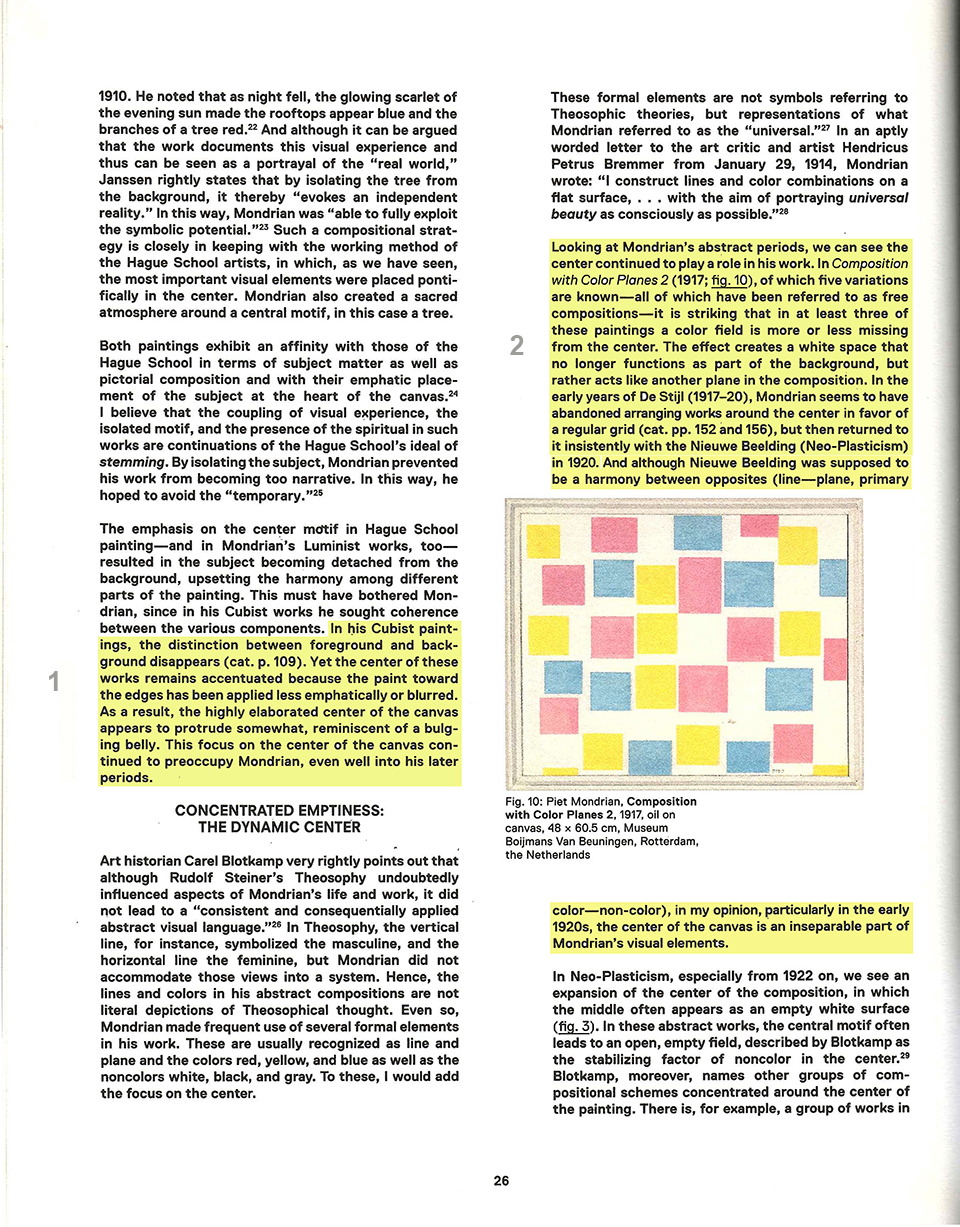
1:
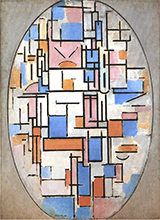
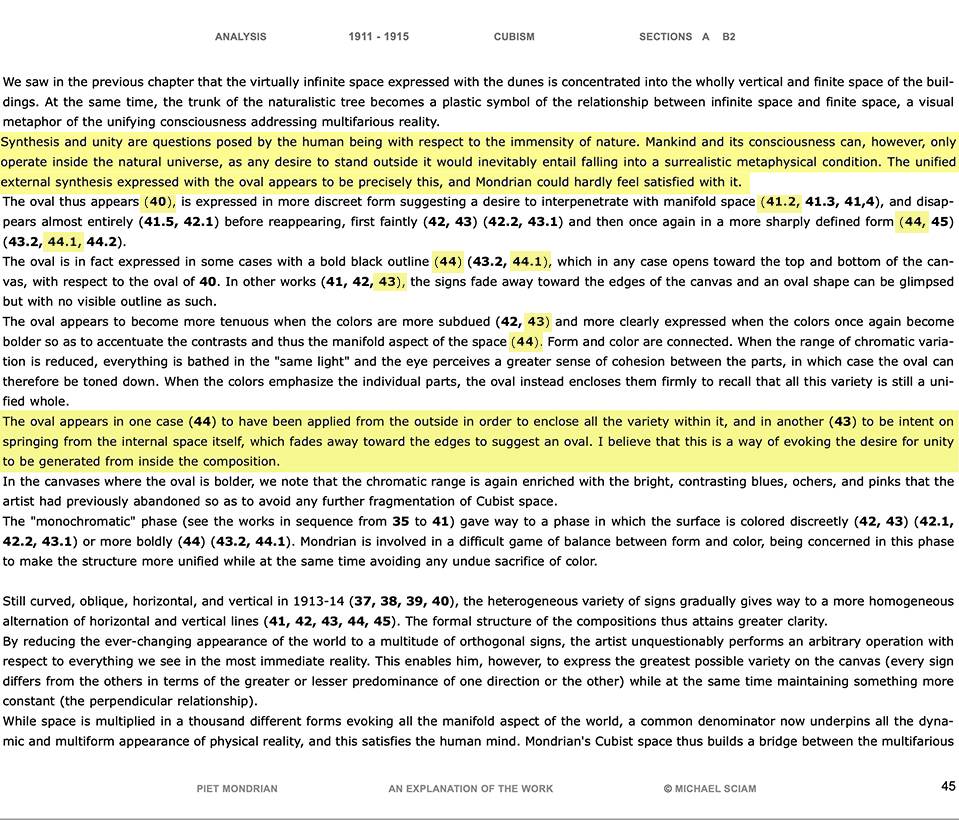
"Yet the center of these works remains accentuated because the paint toward the edges has been applied less emphatically or blurred. As a result, the highly elaborated center of the canvas appears to protude somewhat, reminiscent of a bulging belly" says Mr. Tempel without understanding the actual reason why this happens and that is the search for a unity which originates from inside the composition and spreads toward the edges of the composition as opposed to the oval form which is applied from outside. More below:
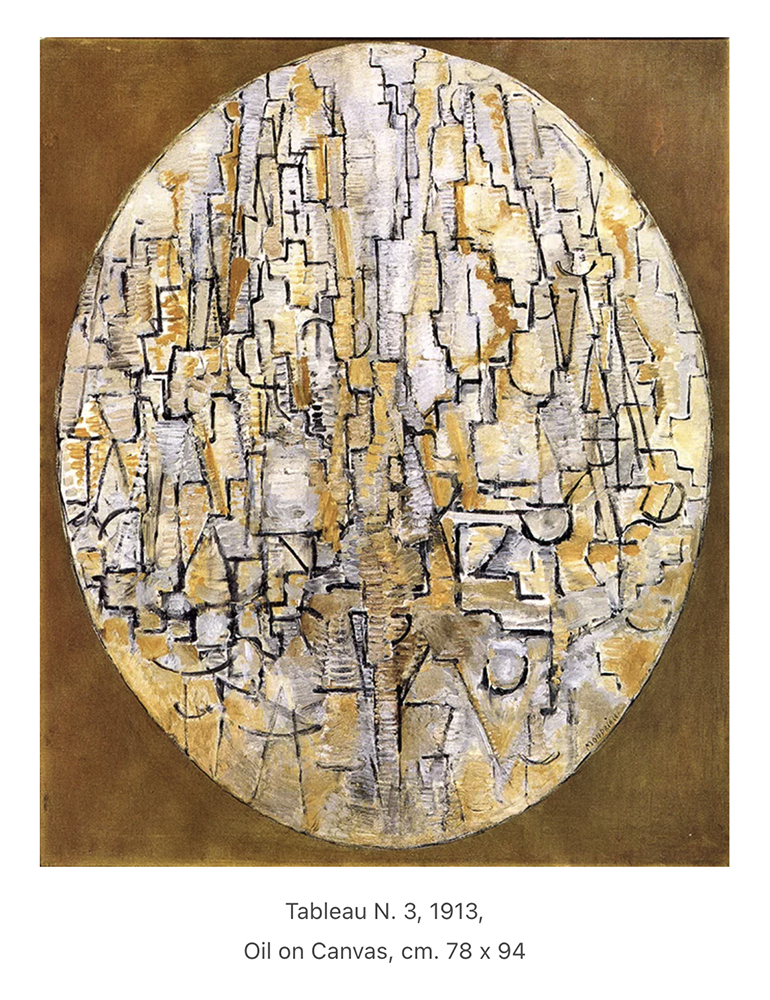 |
 |
 |
 |
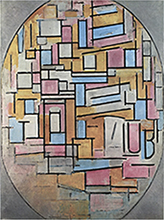 |
40 |
41.2 |
43 |
44 |
44.1 |
2:
Director Tempel says that "it is striking that in at least three of these paintings, a color field is more or less missing from the center. The effect creates a white space that no longer works as part of the background but rather acts as another plane in the composition."
In 2006 Sciam tried to show this to Mr. Janssen, explaining that the white central square should not be seen as an "empty space" as Mr. Janssen had suggested also for Pier and Ocean 4, but rather as a solid plane similar to the colored ones. Sciam suggested that the central white plane could represent a synthesis of the colors all around (see below).
Mr. Janssen and director Tempel kept on saying that Sciam's contribution was of no interest.
How nice to see Mr. Tempel "discover" now what Sciam has been trying to show to him years earlier; of course the director is careful not to mention the original source of his discoveries.

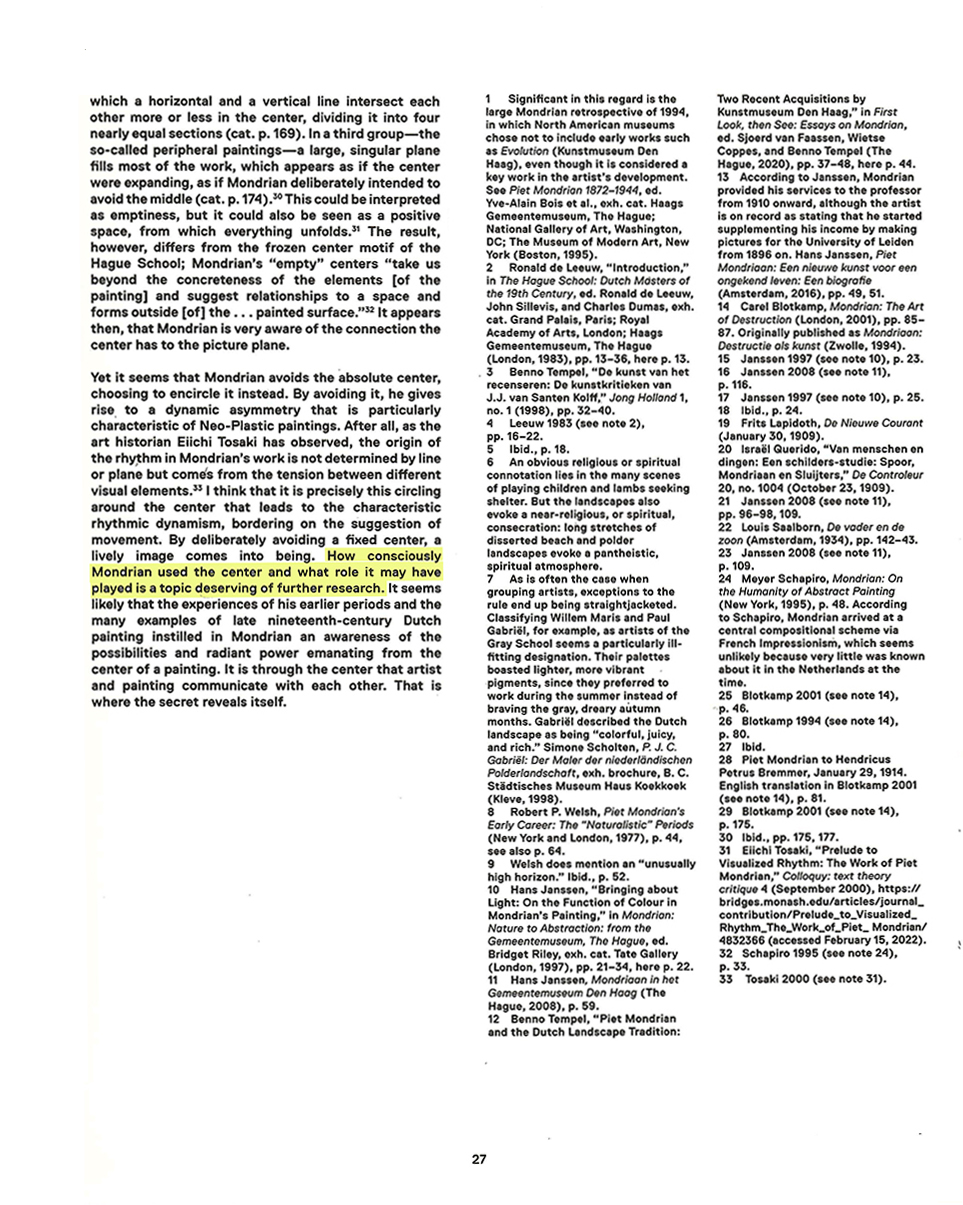
Mr. Tempel concludes his dissertation by asking himself "How consciously Mondrian used the center and what role it may have played is a topic deserving of further research" :
May we remind Mr. Tempel that he can find some answers to his wish for further research by reading once more the essay “Piet Mondrian - An Explanation of the Work” that Michael Sciam sent to his close collaborator Hans Janssen in 2006, as well as by consulting the web pages at www.piet-mondrian.eu published by Sciam.